Our Tiny Homestead
  • Home
  • Inside
    • Buy Nothing Challenge >
      • 2014
      • 2015
      • 2018
      • 2019 & Debt-Free
    • Our Wood Stove
    • Laundry
    • Prepare for a Power Outage
    • Renovations
  • Outside
    • Theresa's Gardening Goals
    • Permaculture 101
    • Perennial Vegetables
    • Eat Your Wild Yard
    • Seed Starting
    • Walnut Syrup
    • Gardening for Wildlife
    • Wildlife Pond
    • Save Our Bees
    • Our Gardens >
      • Celtic Cross Garden
      • Catio Construction
  • Cooking
    • Wood Stove Cooking
    • Shelf Chefing >
      • Bear's Shelf Chefing
      • In Shape Shelfchefing
      • Wild Raspberries
      • Grilled pizza
      • Celebrate Seasonal Eatin >
        • Samhain - Late Fall
      • Cook of Anarchy grilled cheese
    • Haybox Cooking
    • Heat wave solar cooking
    • Division of Labor
    • Recipes
  • Pantry
    • Pantry Intro
    • Pantry Cooking
    • Yearly Harvest List
    • Preserving
    • Making Staples
    • Growing Sprouts
    • Building Our Pantry
  • Celebrate
    • After the Pandemic
    • Winter Solstice
    • Mid-Winter & Imbolc
    • Spring Equinox
    • Late Spring & Beltane
    • Summer Solstice
    • Fall Equinox
    • Late Fall & Samhain
    • Nature's Magic Altar
  • Our Books
  • Our Videos
  • Our Art
  • Blog
  • About
  • Contact
  • Resources

PANTRY SECTION INTRODUCTION

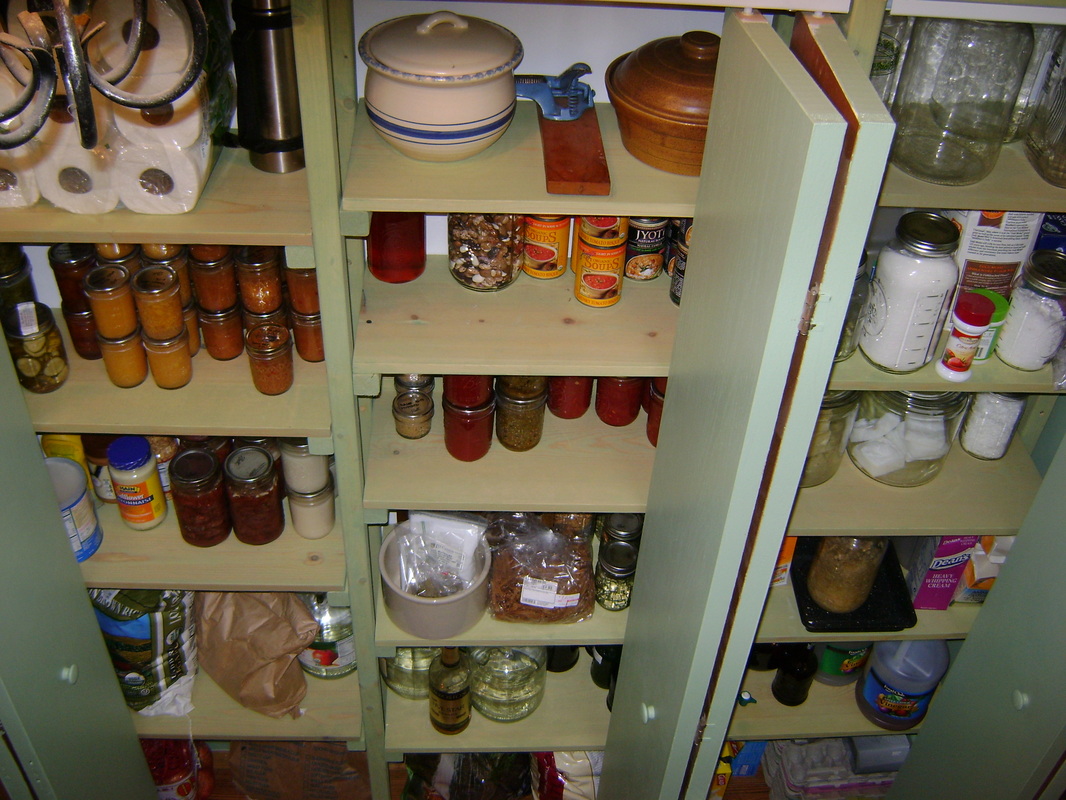
This section of the website isn't just about our actual pantry (the closet we built to hold bulk food purchases and the items we've canned or otherwise preserved). It's about returning to the days before people went grocery shopping every week, and instead relied on what they had in their pantry. It's about learning the skills our great grandmothers had so they could cook from their pantries, which were full of basic staples from which they created whatever they needed, from condiments to fresh bread.  

We're trying to relearn how to stock and eat from our pantry for several reasons:
  • to stop wasting time shopping every week
    (we do not live near a grocery store) 
  • to have extra food in storage in case of emergencies, natural disasters, or sudden financial difficulties
  • to save money (buying food in bulk is less expensive)
  • to reward ourselves with healthier and better tasting food (once you've had homemade you don't want to go back to store bought) 
Picture
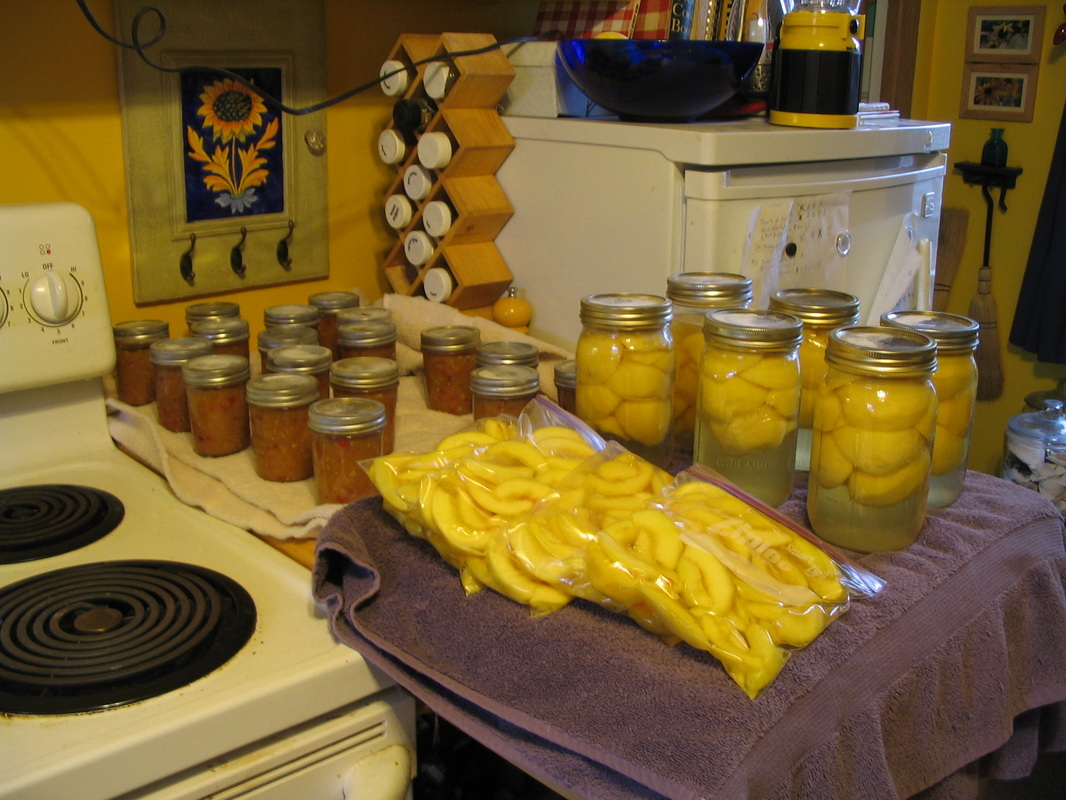
Canning & freezing peaches.
Picture
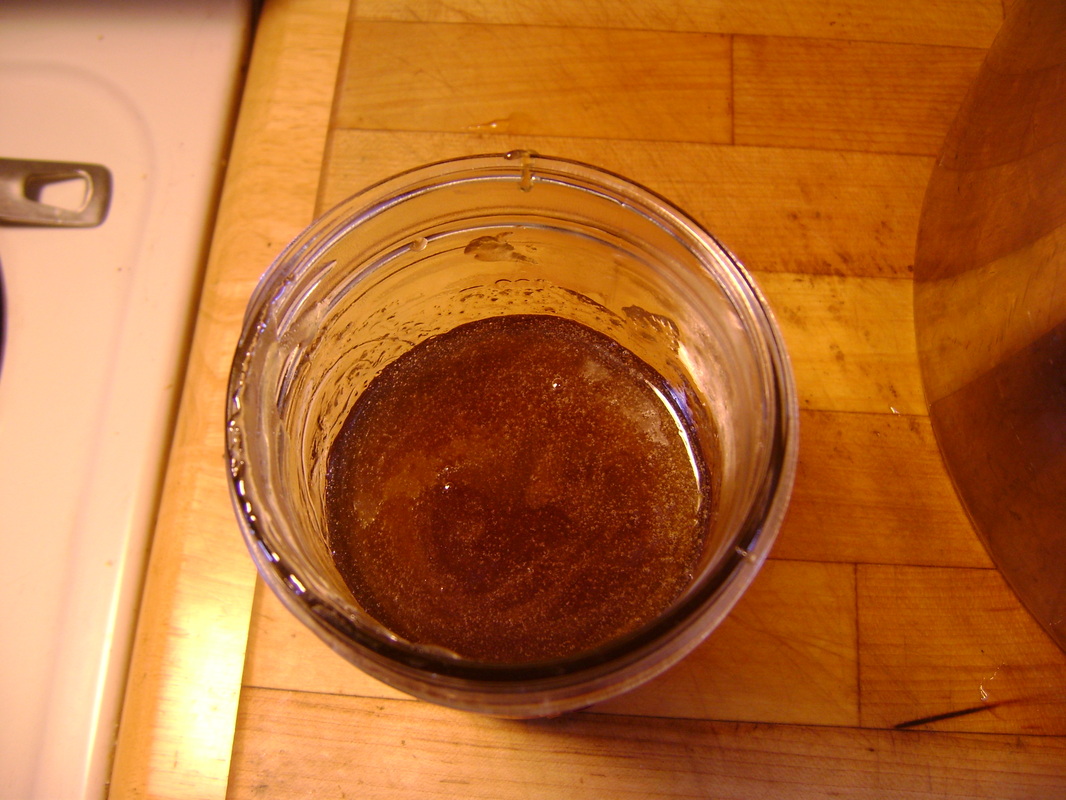
Syrup made from our black walnut trees.

Learning Pantry Skills

Learning how to live by eating from your pantry instead of running to the corner store (if you didn't grow up in a family where it came naturally) is a journey, not a rapid weekend change over. We've made changes in steps, as we've had the time, energy, and money available, and we still want to do a lot more. 

Here are some of the steps that we've gone through to change our eating habits, not necessarily in any order:
  • Replaced processed, prepared meals (in a box, can, or frozen) from the regular grocery store, with less processed, more organic meals bought from a natural foods cooperative (or maybe your regular grocery store has a co-op like section)
  • Replaced non-organic foods with organic foods as budget and availability allows. We started with some organic vegetables, and moved on to organic dairy products, and are finally able to afford some organic meats.
  • Shopped from the outside of the grocery store: the freshest, least processed food is usually in the outer aisles against the walls (because it requires refrigeration) such as the fresh vegetables and fresh meat.
  • Started reading cookbooks and learning to make more and more meals from scratch.
  • Joined a CSA (Community Supported Agriculture). Learned that food tastes a lot better when it's eaten in season. Learned how to cook whatever is in season. Tried new vegetables, with the help of recipes provided by the CSA.
  • Started preserving vegetables from the farmer's market, our garden, and/or from wild foraging, by canning, freezing, storing in a root cellar, and/or dehydrating.
  • Stopped buying fresh vegetables in the grocery store. In the Summer, we bought only from the farmer's market. In Winter, tried to eat only vegetables we had preserved.
  • Started buying bulk spices from the co-op. They are fresher and haven't been irradiated.
  • Learned to cook with more herbs & spices.
  • Learned to grow herbs & spices.  
  • Learned to grind our own spices.
  • Started buying as many local foods as possible.
  • Started buying bulk food from the co-op
     (e.g., grains and beans in 25 lb. bags)
  • Gradually learning to make our own staples
    (bread, yogurt, soup stock, mustard, etc.)
  • Started buying bulk meat directly from farmers.
  • Learned to process meat we've received from hunters.

Overall, we've tried to learn a process of thinking about our food by breaking it down into its parts, then seeing if we can reliably provide these parts ourselves, then breaking it down into even more parts. We can buy bread, or we can buy flour to make our bread, or we can buy whole wheat to grind flour to make our own bread, or we can grow the wheat to grind our own flour.
Picture
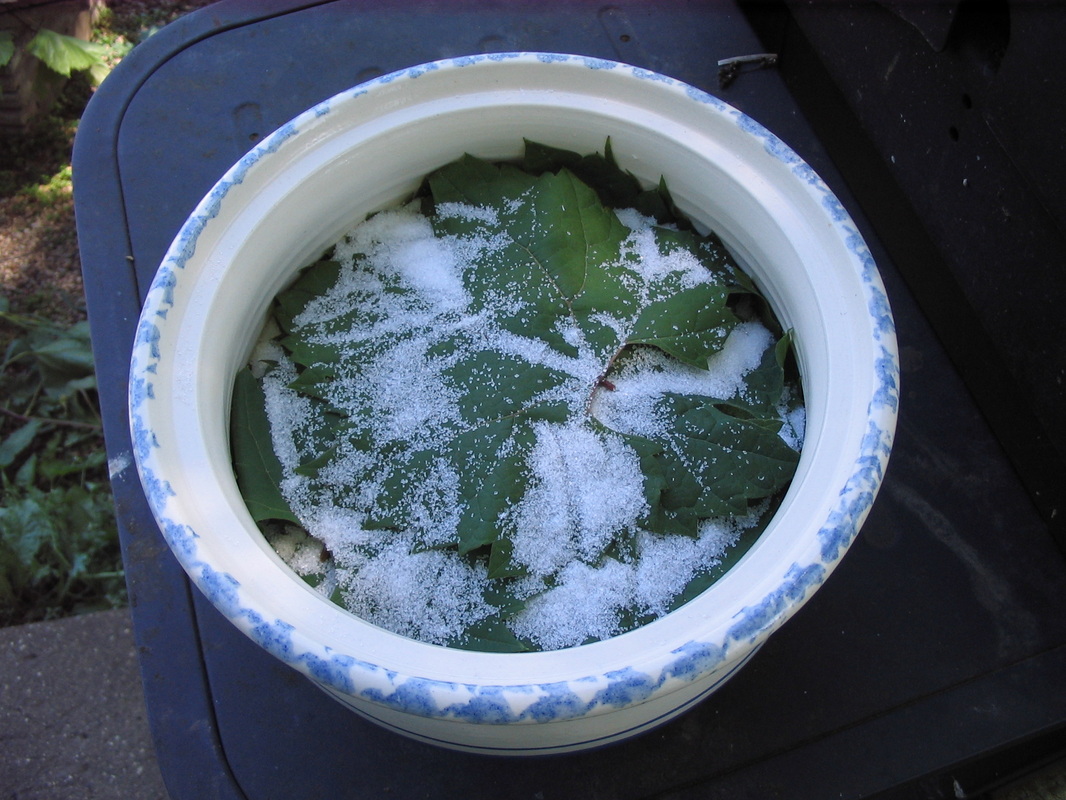
Preserving wild grape leaves in salt.
Picture
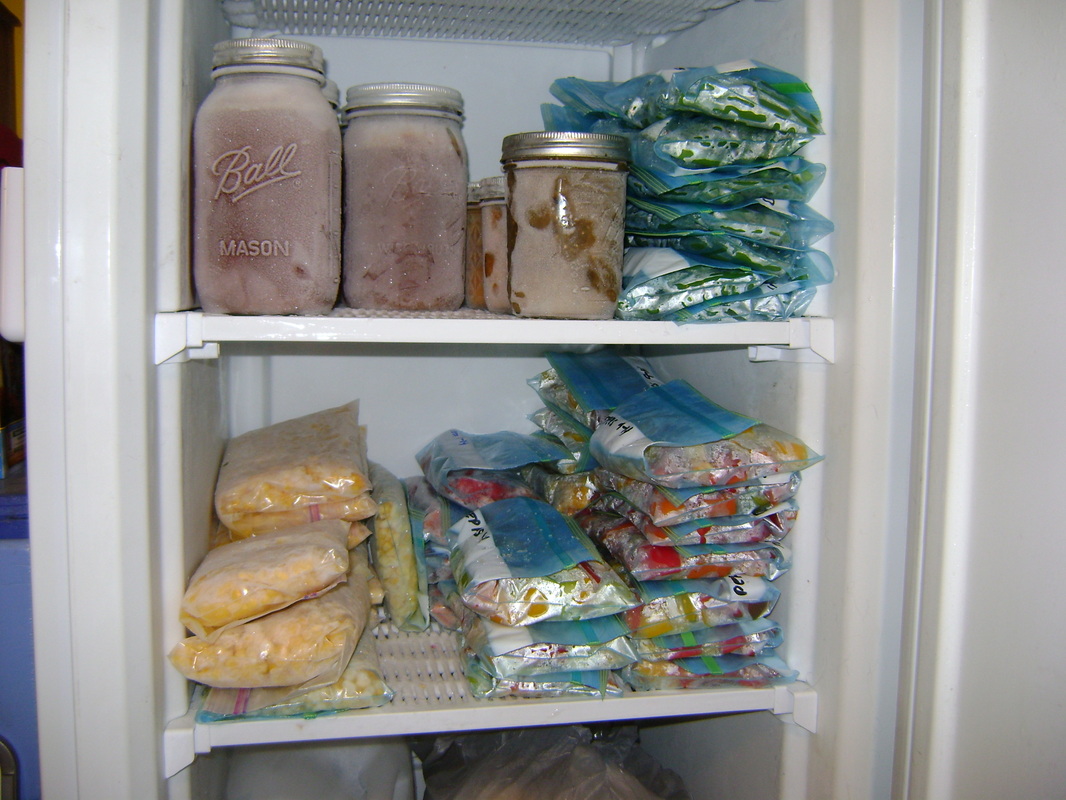
Freezing fresh vegetables and stock.
Picture
The pantry we built in our hallway.

Pantry How To:

We'll be sharing information on:

- How we built our pantry

- What to store and how to store it, which includes:
  • keeping records
  • bulk buying
  • our yearly harvest list

- Different ways to preserve food
 (such as freezing, dehydrating, storing in a root cellar...)


- Cooking from pantry supplies:
  • Theresa's 5 Steps for Cooking from the Pantry
  • what you can cook with bulk foods

- Working with meat:
  • How to break down a chicken (scroll down the page)

- Making staples (such as butter, syrup, soup stock...)
Picture
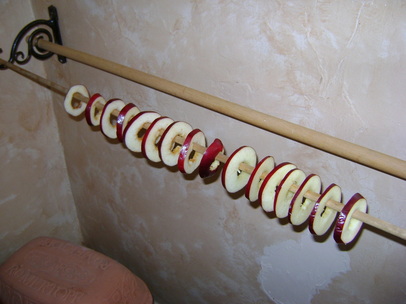
Dehydrating apples behind our wood stove.
Picture
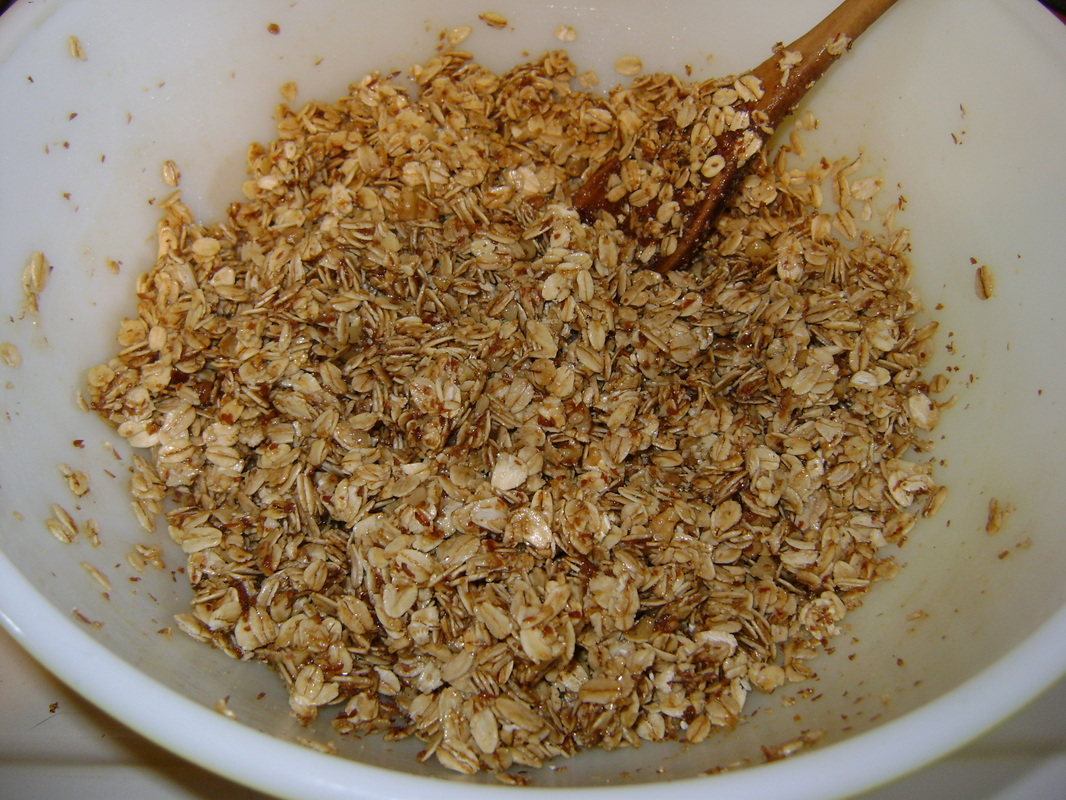
Making homemade granola from oatmeal.
An Example:  Theresa's Evolution to Healthier Oatmeal

  • Oatmeal is supposed to be really healthy, and particularly good for me because it's so high in fiber. So for breakfasts in Winter, I began eating individually packaged, non-organic, sweetened instant oatmeal that I cooked with water quickly heated in the microwave. 
  • Then I switched to buying organic instant oatmeal packets, but still heated them quickly in the microwave.
  • Then I started buying plain instant oatmeal packets without the added sugar and flavoring, so I could add smaller, healthier amounts of my own sugar.
  • Then I started buying a large container (one of those cylindrical cardboard packages) of instant organic oatmeal (so there was less packaging) and experimented with adding different sweeteners (honey, stevia, etc.). 
  • I found out that unsweetened jelly from the grocery store worked really well so that I could have sugar-free oatmeal.
  • Then I started buying a large container of regular oatmeal (rolled oats), instead of instant, and learned to cook it on the stove.
  • Then I learned to cook oatmeal in a thermos overnight so there's no cooking time in the morning. I experimented with cooking it in a small hay box, but it not keep the oatmeal warm until morning.
  • Then I noticed that the bulk food section has different types of oatmeal (instant, rolled, steel-cut) and began to wonder what I'd been eating. I learned about the different types of oatmeal and which is the least processed and most healthy (that would be steel cut).
  • The I learned to cook with steel cut oats. We were watching Alton Brown's Good Eats show and he had an overnight oatmeal recipe made in a crock pot that turned out to be fabulous. It was so good that for a while all other types of oatmeal tasted terrible.
  • We bought a smaller crockpot just for making overnight oatmeal, but it never became a habit. We didn't figure out how to make a small amount so there wouldn't be leftovers, and it didn't reheat well.
  • Went back to eating rolled oats.
  • Then I bought our first 25 lb. bag of rolled oats from the co-op. I didn't buy steel cut oats because I couldn't find good information on how long it lasts in storage (whole grains sometimes last less long because they contain oils).
  • I also bought rolled oats because I read that they can be eaten raw, straight from storage. This makes them very good for emergency situations and water shortages in which you can't cook the oatmeal. I tested this theory and mixed raw rolled oats with some jam to see what it would taste like. Not too bad. Could be a quick breakfast.
  • I went on to learn more recipes that use lots of rolled oats- our friend Holly shared her homemade granola recipe and a wheat oatmeal bread recipe.
  • Then I thought about what other ingredients are needed to eat the bulk oatmeal and wondered if I could provide them too?
  • I found out that jam is really good as a sweetener for oatmeal and learned how to can jams and jellies so I can have that on hand too.
  • Honey is a good sweetener too, but it's illegal to raise honey bees where I live. Honey stores for a very long time, though, so I am buying honey from a farmer's market in gallon jars so we can store large amounts.
  • I continue asking what ingredients go with oatmeal and whether I can store them in our pantry.  
  • Now I'm wondering if I can grow my own oats?

Take Your Time

Our process toward being more self-sufficient has evolved over several years, and we still have a lot to learn. Going through this process, though, hasn't felt slow and arduous. Since we learn new things at every step, we always feel like we're making progress. This is a great example of my life is a journey, not a destination.
Home    Inside   Outside   Shelf Chefing   Cooking   Pantry   Celebrate   Our Books  Our Videos  Our Art  Blog   About   Resources   Contact
Be the change you wish to see in the world.  ~Gandhi
Copyright 2025 by Theresa & Rob Berrie